
 Customer Support

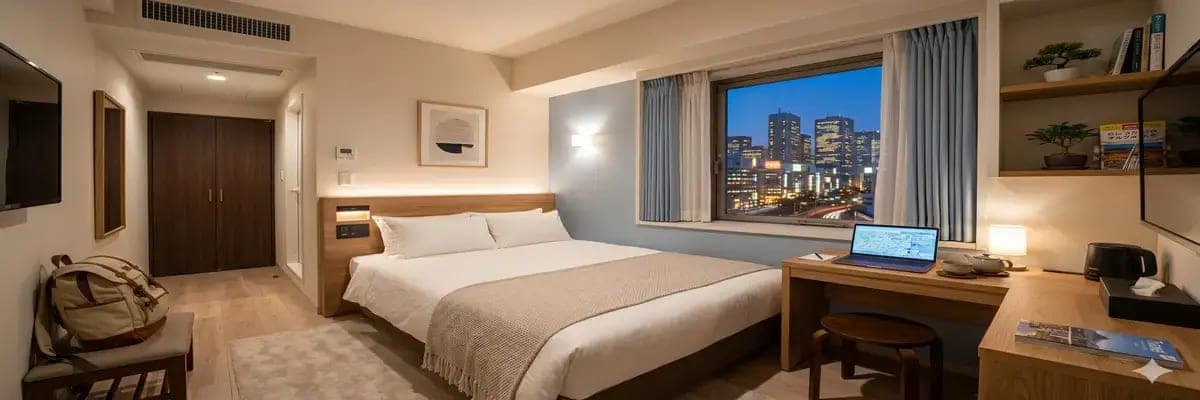
Japan has a reputation for being expensive, especially for first-time travelers planning trips to Tokyo, Kyoto, or Osaka. Many travelers imagine tiny hotel rooms, luxury-only pricing, and transportation costs that quickly push budgets out of control. But once visitors understand how accommodation works in Japan, the country becomes far easier to navigate affordably than most people expect.
The real secret to finding affordable hotels in Japan is not simply booking the cheapest room online. Smart travelers focus on location, railway access, neighborhood convenience, and hotel type before comparing prices. In Japan, a small but well-located room near a train station can save more money overall than a larger hotel far from public transportation.
That is why experienced travelers often choose business hotels in Japan over flashy tourist properties. These hotels may not look luxurious on social media, but they are usually clean, efficient, safe, and strategically located.
This guide explains how travelers can realistically reduce accommodation costs in Japan without sacrificing comfort, convenience, or safety. Whether travelers are searching for budget hotels in Japan, capsule stays, family hotels, long stay accommodations, or hotels near Tokyo Airport, this guide focuses on practical advice rather than generic travel recommendations.
Planning a Japan trip? Compare smart hotel options and book affordable stays across Tokyo, Osaka, Kyoto, and more through Travelpodium.
Why Hotels in Japan Feel Different From Other Countries
One of the first things travelers notice after arriving in Japan is how efficiently hotels operate. Even lower-cost properties often maintain excellent cleanliness standards, organized layouts, and surprisingly thoughtful amenities.
Budget accommodation in Japan usually feels safer and more reliable than similarly priced stays in many other countries. Rooms may feel compact, especially in Tokyo, but travelers quickly realize that Japanese hotels are designed around functionality rather than wasted space.
Many hotels commonly provide:
High-speed Wi-Fi
Pajamas or sleepwear
Toiletries
Coin laundry facilities
Luggage storage
Automated check-in systems
Compact but functional bathrooms
This is one reason business hotels in Japan have become extremely popular among international travelers. They prioritize practicality over luxury and often solve most traveler needs efficiently.
How Much Is a Hotel in Japan?
One of the most common traveler questions is: how much is a hotel in Japan?
Accommodation costs vary heavily depending on:
City
Season
Hotel type
Station proximity
Tourist demand
Booking timing
Tokyo is generally among Japan's most expensive hotel markets, especially in districts like Ginza, Shibuya, and central Shinjuku. Kyoto hotel pricing also rises dramatically during cherry blossom season and autumn foliage months because hotel supply is limited compared to tourism demand.
Osaka, however, often provides better hotel value while still offering excellent food, nightlife, and transportation connectivity.
General Hotel Budget Expectations in Japan
Hotel Type | Best For | Biggest Advantage |
Capsule Hotels | Solo travelers | Cheapest short stays |
Business Hotels | Couples and tourists | Best overall value |
Budget Hotels | Backpackers | Affordable private rooms |
Apartment Hotels | Families and long stays | More space and kitchen access |
5 Star Hotels in Japan | Luxury travelers | Premium hospitality and views |
The smartest travelers do not simply chase the lowest room price. They choose accommodations that reduce total daily travel costs and improve convenience.
The Biggest Hotel Booking Mistake Travelers Make
The biggest mistake travelers make in Japan is booking accommodation purely based on price while ignoring transportation access.
Japan's railway network is excellent, but long walks with luggage can become exhausting, especially during humid summers, rainy seasons, or crowded travel periods.
A hotel that costs slightly more but sits beside a JR station often becomes far more valuable because travelers save:
Transportation costs
Taxi expenses
Walking time
Physical energy
Late-night commuting stress
Experienced travelers usually prioritize:
Train station proximity
Safe neighborhood
Reliable hotel chain
Total transportation cost
Room functionality
before comparing room pricing differences.
Affordable Hotels in Japan Near Tokyo That Actually Make Sense
Travelers searching for affordable hotels in Japan near Tokyo often assume they need to stay far outside the city. In reality, several neighborhoods offer a strong balance between affordability and convenience.
Ueno
Ueno remains one of Tokyo's best areas for budget-conscious travelers. The neighborhood offers:
Lower hotel pricing
Direct train connections
Affordable restaurants
Good airport accessibility
Strong business hotel options
Ueno works especially well for travelers arriving through Narita Airport because direct rail connections reduce transportation complexity.
Asakusa
Asakusa feels calmer and more traditional than central Tokyo nightlife districts. Hotels are often cheaper here than in Shibuya or Ginza while still remaining highly accessible.
Families and slower-paced travelers often prefer Asakusa because the area feels less overwhelming at night.
Ikebukuro
Ikebukuro offers one of Tokyo's best combinations of affordability and city convenience. Many business hotels in Japan operate around this district, creating stronger pricing competition.
Which Is the Cheapest Area to Stay in Japan?
Travelers frequently ask which is the cheapest area to stay in Japan, but the answer depends on the city and travel style.
Cheapest Areas in Tokyo
Ueno
Asakusa
Ikebukuro
Cheapest Areas in Osaka
Shin-Imamiya
Tennoji
Side streets near Namba
Osaka generally provides better accommodation value than Tokyo. Some travelers even stay in Osaka and take day trips to Kyoto because Kyoto hotels become extremely expensive during cherry blossom and autumn foliage seasons.
Also Read: Affordable Hotels in Bali for International Travelers
Why Business Hotels in Japan Are the Smartest Budget Choice
Many travelers searching for budget friendly hotels in Japan eventually realize that business hotels provide the best overall value.
These hotels were originally designed for Japanese business travelers, but international tourists now rely on them heavily because they offer:
Private rooms
Private bathrooms
Reliable cleanliness
Safe environments
Excellent station access
Predictable service quality
For couples especially, business hotels usually provide much better comfort than capsule hotels without dramatically increasing costs.
A business hotel near Ueno Station, for example, may sometimes cost less than a trendy capsule hotel in central Shibuya during weekends.
Best Budget Hotel Chains in Japan
Reliable hotel chains reduce uncertainty for international travelers unfamiliar with Japan's accommodation system.
APA Hotels
APA Group properties are widely available throughout Japan and are especially common near train stations.
Pros:
Excellent locations
Strong transportation convenience
Consistent service standards
Cons:
Rooms are often extremely compact
Toyoko Inn
Toyoko Inn remains one of Japan's most trusted affordable hotel chains.
Pros:
Reliable cleanliness
Complimentary breakfast at many locations
Good station accessibility
Dormy Inn
Dormy Inn is slightly more expensive but often provides exceptional value.
Pros:
Public baths
Better room quality
Complimentary evening snacks at some locations
Super Hotel
Super Hotel focuses heavily on affordability and efficient room layouts.
These chains consistently solve practical traveler problems better than many unknown budget properties.
Also, Discover Budget-Friendly Hotels in the Philippines Near Popular Beaches and Islands
Capsule Hotels in Japan Are Not Always the Cheapest
Capsule hotels are one of Japan's most famous accommodation experiences, but many travelers misunderstand when they actually make sense financially.
Capsule hotels work best for:
Solo travelers
One-night stays
Backpackers
Late-night arrivals
They are usually less practical for:
Families
Couples
Travelers with multiple suitcases
Long stays
Some premium capsule hotels in Tokyo now function more like boutique experiences than true budget accommodation. During weekends, they may cost nearly as much as business hotels.
Travelers searching for the best capsule hotel in Japan should compare:
Locker size
Noise levels
Shower access
Luggage restrictions
Privacy setup
rather than choosing based only on aesthetics.
How Much Are Capsule Hotels in Japan?
Travelers often ask how much are capsule hotels in Japan because pricing varies significantly by city and season.
Capsule hotels near major Tokyo stations usually cost more during weekends and holidays. Meanwhile, smaller regional cities often provide far cheaper capsule accommodation.
Luxury capsule hotels with upgraded interiors may approach boutique hotel pricing, which is why travelers should compare total value carefully.
Airbnb or Hotel in Japan?
The question of Airbnb or hotels in Japan depends heavily on travel style.
Hotels usually work better for:
First-time visitors
Short stays
Travelers using rail transport heavily
Travelers wanting smoother logistics
Airbnb-style stays work better for:
Families
Groups
Long stays
Travelers wanting kitchen access
However, licensed hotels generally create fewer logistical complications for international travelers unfamiliar with Japanese accommodation rules.
Hidden Hotel Costs Travelers Forget
One reason travelers overspend in Japan is because they only calculate room pricing.
Additional costs often include:
Accommodation taxes
Laundry expenses
Train transportation
Paid breakfasts
Late-night taxis
Luggage forwarding
This is why station proximity matters so much. A slightly more expensive hotel near transportation often reduces overall daily spending.
Why Staying Near Train Stations Saves Money
Transportation convenience matters more in Japan than in many other countries.
A well-located hotel near a JR station can save:
Daily transportation costs
Long walking times
Taxi expenses
Stress with luggage
Travelers staying far from stations often regret it later, especially after long sightseeing days or during bad weather.
The best hotels to stay in Japan are not always the cheapest online. They are the hotels that improve the entire travel experience.
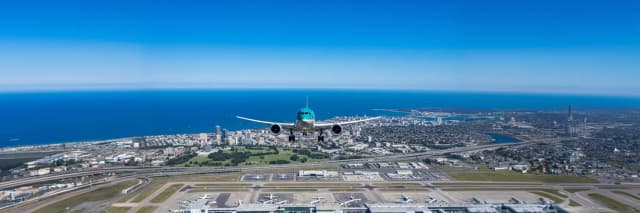
Hotels Near Tokyo Airport
Travelers with overnight layovers or early departures often search for hotels near Tokyo Airport.
Tokyo's two major airports serve different travel needs.
Haneda Airport
Closer to central Tokyo
Better for short city trips
Faster transportation access
Narita Airport
Usually cheaper nearby hotels
Better for overnight layovers
Longer commute into Tokyo
Airport hotels are especially useful for:
Families
Late arrivals
Early flights
Travelers carrying heavy luggage
Also Read: Explore Hotel Booking Tips and Accommodation Deals for FIFA World Cup Travelers
Family Friendly Hotels in Japan
Families often struggle with room size limitations in Japan because standard hotel rooms are compact.
Family friendly hotels in Japan usually work best when they offer:
Apartment-style layouts
Laundry facilities
Multiple bedding options
Nearby convenience stores
Easy station access
Apartment hotels are often more practical than traditional hotel rooms for longer family trips.
Long Stay Hotels in Japan
Travelers planning extended visits increasingly choose long stay hotels in Japan because they reduce overall expenses significantly.
These accommodations often include:
Kitchenettes
Washing machines
Larger storage areas
Weekly or monthly discounts
Long stay hotels work especially well for:
Digital nomads
Students
Remote workers
Slow travelers
Cooking simple meals alone can significantly reduce travel expenses in Japan.
Last Minute Hotel Deals in Japan
Travelers occasionally find strong last minute hotel deals in Japan during lower-demand periods, but relying entirely on last-minute booking can become risky.
Hotels become expensive very quickly during:
Cherry blossom season
Golden Week
Autumn foliage season
New Year holidays
Kyoto is especially difficult because hotel inventory is limited compared to visitor demand.
Coolest Hotels in Japan
Japan is famous for creative accommodation concepts.
Some of the coolest hotels in Japan include:
Robot-operated hotels like Henn na Hotel
Futuristic capsule hotels
Anime-inspired stays
Traditional ryokans
Gaming-themed hotels
These hotels focus more on experience and novelty than budget savings, but they remain part of Japan's unique hospitality culture.
Luxury Hotel in Japan and 5 Star Experiences
Japan also operates some of the world's most respected luxury hotels.
Travelers searching for:
luxury hotel in Japan
best luxury hotels in Japan
famous hotel in Japan
grand hotel in Japan
often prioritize:
Skyline views
Michelin-level dining
Traditional hospitality
Spa experiences
Private onsen baths
Tokyo and Kyoto dominate Japan's luxury hospitality scene, particularly in districts like Ginza and Marunouchi.
Best Way to Book Hotels in Japan
The best way to book hotels in Japan is to compare total trip convenience rather than simply choosing the lowest room price.
Experienced travelers usually evaluate:
Station distance
Transportation costs
Neighborhood safety
Hotel chain reliability
Room practicality
Walking convenience
A smarter accommodation decision can dramatically improve the entire trip to Japan trip.
Looking for affordable hotels in Japan near Tokyo, Osaka, Kyoto, or airport areas? Explore smarter hotel deals and compare convenient stays through Travelpodium.
Final Thoughts
Japan rewards travelers who book accommodation strategically rather than emotionally. The cheapest hotel online is not always the best value once transportation costs, luggage convenience, and daily commuting are considered.
For most travelers, business hotels provide the best balance between affordability, safety, privacy, and transportation access. Capsule hotels remain excellent for short solo stays, while apartment-style accommodations work better for families and extended visits.
The smartest hotel strategy in Japan is simple: prioritize convenience, reliable neighborhoods, and transportation efficiency over purely chasing the lowest room rate.
Disclaimer
Hotel pricing, availability, services, policies, neighborhood conditions, and transportation accessibility in Japan may change depending on season, demand, renovations, local regulations, and booking platforms. Any hotel chains, locations, or accommodation types mentioned in this article are provided for general informational and travel-planning purposes only and should not be considered guarantees, endorsements, or official recommendations. Travelers should independently verify pricing, amenities, safety, accessibility, and current policies before making reservations.
Quick Answers to Common Questions
A love hotel in Japan is a short-stay accommodation designed primarily for couples seeking privacy. Many feature themed interiors and flexible booking durations.
Hotel pricing varies depending on city, season, hotel category, and location. Business hotels generally provide the best value for budget-conscious travelers.
Capsule hotel pricing varies by city and season. Some remain very affordable, while premium capsule hotels in Tokyo may cost nearly as much as business hotel.
Travelers should prioritize train station access, transportation convenience, neighborhood safety, and reliable reviews before booking.
Hazbin Hotel has a global fanbase including animation audiences in Japan, though it is unrelated to Japan's hospitality industry.
In Tokyo, Ueno and Asakusa are popular among budget travelers. In Osaka, Shin-Imamiya is known for affordable accommodation options.
The cheapest accommodation options are usually capsule hotels, hostels, or compact business hotels outside premium tourist districts.
Hotels are generally easier for first-time travelers and short stays, while Airbnb-style accommodations work better for groups and longer visits.
Yes. Business hotels are often clean, safe, affordable, and conveniently located near major train stations.
Popular affordable hotel chains include APA Hotels, Toyoko Inn, Dormy Inn, and Super Hotel.


















Comments